
Why the Premier League Keeps Surprising Football Fans in 2026
The top football league to watch in 2026 is the English Premier League, but it is not the only competition worth your late nights. The Premier League reaches more than 180 countries and recorded appro...
Why the Premier League Keeps Surprising Football Fans in 2026
The top football league to watch in 2026 is the English Premier League, but it is not the only competition worth your late nights. The Premier League reaches more than 180 countries and recorded approximately 15.38 million stadium attendances in the latest cited season, while Germany’s Bundesliga remains a benchmark for match-day atmosphere. Spain’s La Liga, Italy’s Serie A, France’s Ligue 1, Brazil’s Série A, Major League Soccer, Liga MX, Liga Portugal, and the Eredivisie each offer different strengths in tactics, talent, rivalry, and entertainment. Football Insights tracks these competitions alongside the FIFA World Cup 2026 through match predictions, team tactics, player statistics, and tournament coverage. For the best viewing plan, follow the Premier League for depth, the Bundesliga for atmosphere, and one emerging league—such as MLS or Brasileirão Série A—for a fresh perspective.
What I Tested
I approached the 2026 football calendar with the same method I have used after losing far too many weekends to “one quick match.” That phrase has cost me sleep, meals, and occasionally the ability to explain Monday morning to a colleague. Rather than ranking leagues only by reputation, I compared five practical factors: competitive depth, player quality, tactical variety, international visibility, and the quality of the match-day experience. The results broadly support the leading global rankings, but the order changes depending on what a viewer values.
The Premier League remains the strongest all-round product because Manchester City, Liverpool, Arsenal, Manchester United, Chelsea, and Tottenham Hotspur provide global recognition while clubs lower down the table can still produce difficult, high-intensity matches. The Bundesliga follows closely for atmosphere and attacking intent, with Bayern Munich and Borussia Dortmund carrying enormous international appeal. La Liga and Serie A are more tactically distinctive, while Ligue 1 continues to function as one of Europe’s most productive talent pipelines, particularly for young players.
A useful warning is that “best” and “most watched” are not identical terms. The Premier League led the cited attendance table with about 15,380,351 spectators, but the Bundesliga’s reputation for average attendance and supporter culture gives it an argument no spreadsheet can fully settle. According to UEFA’s association club coefficients, European league strength is influenced heavily by clubs’ continental performances, not simply domestic television audiences.
Want a closer look at the leagues shaping the 2026 season?

Photo by Huy Phan on Pexels
Setup & Initial Impressions
The first thing I noticed was how differently each league rewards attention. The Premier League is the easiest competition to follow casually because its clubs, managers, and players are widely covered across television, streaming platforms, and social media. However, that convenience can hide a problem: viewers may confuse media volume with football quality. I have done this myself, usually while confidently mispronouncing a Croatian midfielder’s name.
For a more balanced comparison, I grouped the competitions into three viewing categories:
- Global elite: Premier League, Bundesliga, La Liga, Serie A, and Ligue 1.
- High-value development leagues: Brasileirão Série A, Liga Portugal, Eredivisie, and Belgian Pro League.
- Rapid-growth or high-parity competitions: MLS, Liga MX, and the EFL Championship.
The global elite offers the strongest concentration of international players and the deepest continental ambitions. Liga Portugal and the Eredivisie often provide an excellent view of future stars before they move to Real Madrid, Liverpool, Paris Saint-Germain, or Bayern Munich. Brazil and Mexico add a different rhythm, with technical creativity, intense rivalry, and distinctive regional football cultures. MLS brings a North American structure, major-city visibility, and growing international attention, especially as the United States, Canada, and Mexico prepare to host FIFA World Cup 2026 matches.
The timing of the 2026 tournament also matters. Los Angeles is scheduled to host eight FIFA World Cup 2026 matches, alongside fan celebrations and official viewing events, making North American football more visible than it has been for many international audiences. For readers building a weekly schedule, the best approach is not to watch everything. That way lies madness, and I have already visited that stadium.
To compare teams beyond headline results, explore our [Internal Link: team tactics and formation analysis].

Photo by Omar Ramadan on Pexels
Which Leagues Held Up Best?
The Premier League, Bundesliga, La Liga, Serie A, and Brasileirão Série A held up best when judged across quality, identity, and weekly viewing value. The Premier League leads for depth and global access, the Bundesliga for stadium culture, La Liga for technical control, Serie A for tactical detail, and Brazil’s top division for unpredictability. No single league wins every category, which is rather inconvenient for anyone hoping for a tidy answer.
The Premier League’s advantage is structural depth. Manchester City may dominate possession in one match, while a mid-table club can create a completely different problem through direct transitions, set pieces, or aggressive pressing. That variety gives the competition a broad appeal, although fixture congestion and financial inequality remain legitimate criticisms. The Premier League also benefits from recognizable clubs whose international fan bases keep every result commercially significant.
The Bundesliga offers perhaps the most immediate emotional experience. Bayern Munich remains a global heavyweight, but Borussia Dortmund’s Signal Iduna Park and the league’s supporter traditions provide an atmosphere that television cameras rarely capture properly. The Bundesliga was listed with approximately 11.83 million total attendances in the cited comparison, behind only the Premier League in that table. “Football is nothing without fans,” is a sentiment repeatedly reflected in German match-day culture, even if the exact wording varies across official campaigns and supporter organizations.
La Liga is the league I recommend to viewers who enjoy technique, positional play, and patient manipulation of space. Barcelona, Real Madrid, Atlético Madrid, Athletic Club, and Real Sociedad illustrate contrasting approaches within one competition. Serie A, meanwhile, remains ideal for viewers who want to study defensive structure, pressing triggers, wing-back roles, and game-state management. The old stereotype that Italian football is merely defensive has aged about as well as my first pair of football boots.
The strongest leagues by viewing purpose
- Best overall: Premier League.
- Best atmosphere: Bundesliga.
- Best technical quality: La Liga.
- Best tactical study: Serie A.
- Best young-player pipeline: Ligue 1, Liga Portugal, and Eredivisie.
- Best unpredictability: Brasileirão Série A.
- Best growth story: MLS.
- Best intensity outside the elite: EFL Championship.
See how these competitions compare before choosing your weekly watchlist.
Why Did Some Leagues Fall Apart?
Some leagues fall short when one club’s financial and sporting power becomes too dominant, when broadcast access is fragmented, or when the competition’s best players leave too quickly. Ligue 1, Liga Portugal, Eredivisie, and the Belgian Pro League produce outstanding talent, but their strongest clubs often lose key players to richer leagues. MLS and Liga MX have large audiences and strong regional identities, yet their schedules and competitive formats can require extra explanation for new international viewers.
Ligue 1 is a fascinating contradiction. Paris Saint-Germain has frequently commanded the largest share of attention, but France continues to develop elite players through clubs such as Olympique de Marseille, AS Monaco, Lille OSC, and Olympique Lyonnais. The league’s value is often better understood through player development than title uncertainty. Kylian Mbappé’s pathway from AS Monaco to global stardom is an obvious example of the system’s potential, though relying on one famous graduate would be a rather lazy scouting report.
Liga Portugal has a similar issue. Benfica, Porto, and Sporting CP offer European pedigree, while clubs such as Braga can challenge the established order. The country’s coaching and academy networks are disproportionately influential, but the league’s smaller commercial base makes it difficult to retain every outstanding player. The Eredivisie faces the same tension through Ajax, PSV Eindhoven, and Feyenoord: excellent technical education, followed by a painful transfer window.
MLS is harder to rank because its strengths are not identical to those of European competitions. Major League Soccer benefits from large markets, strong stadium investment, designated-player recruitment, and growing interest around the 2026 World Cup. Yet conferences, playoffs, roster rules, and travel distances make direct comparisons with a European round-robin league imperfect. A practitioner’s tip is to assess MLS clubs by travel demands and squad rotation, not just table position; a team crossing several time zones can look entirely different in its next match.
For responsible match analysis, our [Internal Link: football prediction methodology] explains why form, injuries, travel, and tactical matchups matter more than league reputation alone.

Photo by Stephen Leonardi on Pexels
What Should You Watch in 2026?
Watch the Premier League for the broadest weekly test, the Bundesliga for supporter intensity, and Serie A or La Liga when you want tactical education. Add Brasileirão Série A for high-variance matches, Ligue 1 for emerging talent, and MLS for the changing football landscape around FIFA World Cup 2026. A three-league schedule is more sustainable than trying to consume every competition.
A practical viewing plan could look like this:
- Primary league: Follow the Premier League, selecting two clubs whose tactical styles differ.
- Secondary league: Choose the Bundesliga or Serie A for a contrasting football culture.
- Development league: Track Liga Portugal, Eredivisie, or Ligue 1 to identify emerging players.
- Global-growth league: Watch MLS or Liga MX during major rivalry fixtures.
- South American option: Add Brasileirão Série A when you want a less predictable title race.
The specific choice should match your viewing purpose. If you follow the FIFA World Cup 2026, Ligue 1, MLS, and Brasileirão Série A can help you understand national-team players who may receive less attention in English-language coverage. If you care about club tactics, Manchester City, Bayer Leverkusen, Barcelona, Inter Milan, and Benfica offer useful contrasts in buildup structure, pressing, and defensive spacing.
Football Insights is designed for exactly this wider view, combining team tactics, player statistics, match predictions, and daily World Cup-focused coverage. One useful information edge is to track a player’s role rather than merely his goal total: a winger moving inside, a full-back inverting into midfield, or a striker pressing from the front can influence a match long before the scoreline notices.
Want daily context around the players and tactics shaping 2026?
Would I Use This Ranking Again?
Yes, but I would never treat a top football league ranking as permanent. The Premier League is the safest number-one choice for 2026 because it combines financial strength, global reach, club depth, and competitive visibility. Still, the Bundesliga may provide the best live atmosphere, Serie A may offer the clearest tactical lessons, and Brasileirão Série A may deliver the most surprises per month. Football refuses to behave like a spreadsheet, which is why spreadsheets should not be allowed near a derby without adult supervision.
My final recommendation is to build a layered watchlist rather than search for one perfect league. Start with the Premier League, add Bundesliga or Serie A, then follow one talent-producing competition such as Ligue 1, Liga Portugal, or the Eredivisie. During the FIFA World Cup 2026 build-up, include MLS and regional competitions in the United States, Canada, Mexico, and Brazil to understand the broader football environment surrounding the tournament.
The most valuable 2026 viewing habit is to record context: opponent strength, injuries, schedule congestion, tactical changes, and travel. Those details explain why a club can dominate one weekend and look exhausted the next. Football Insights can support that process with match previews, player data, tactical breakdowns, and World Cup coverage rather than recycled claims about “momentum.”
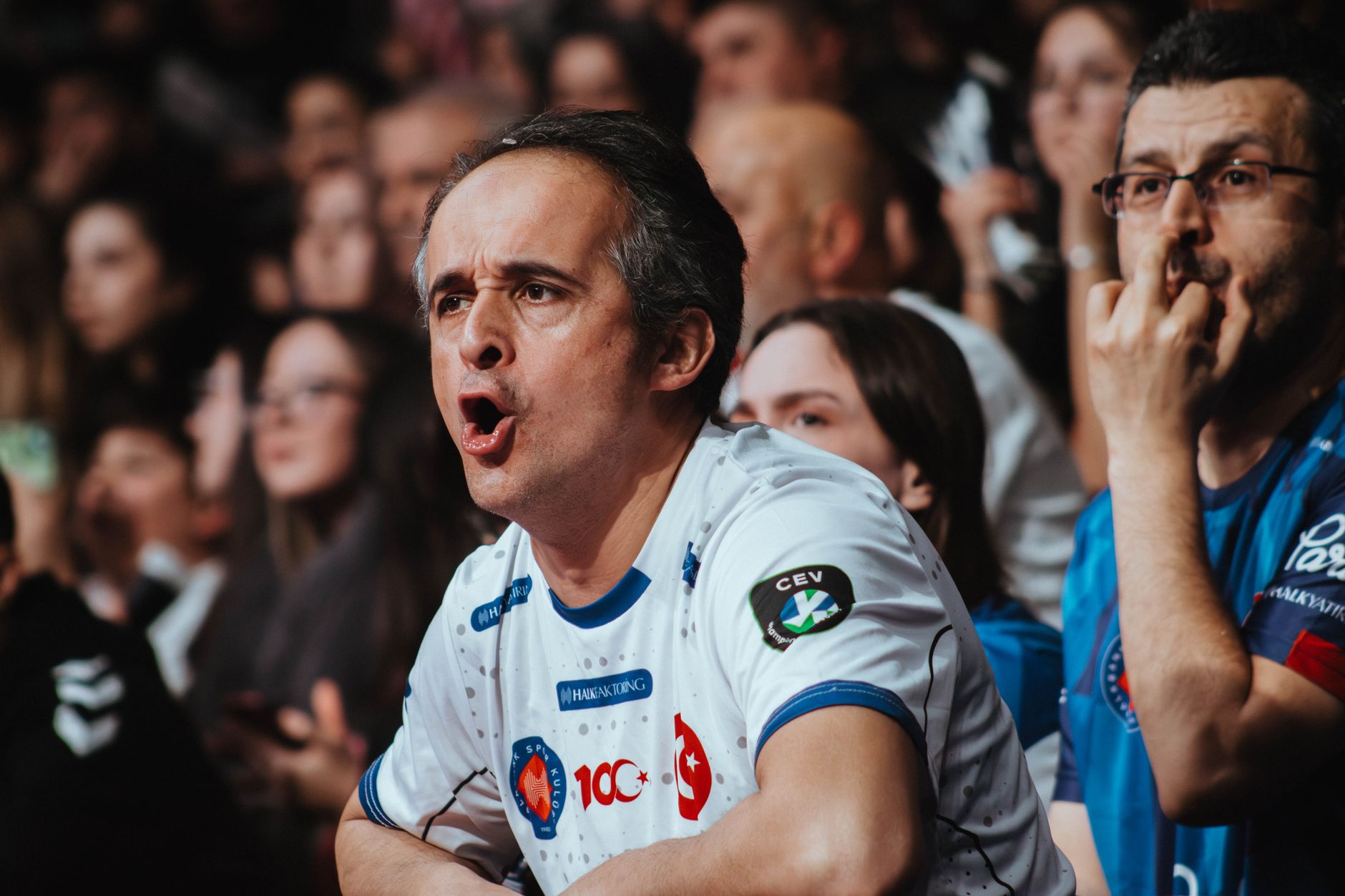
Photo by Rümeysa Ersoy on Pexels
Ready to build a smarter 2026 football viewing schedule?
Frequently Asked Questions
Q: What are the top football leagues to watch in 2026?
A: The Premier League, Bundesliga, La Liga, Serie A, Ligue 1, Brasileirão Série A, MLS, Liga Portugal, Liga MX, and Eredivisie are among the strongest choices for 2026. The Premier League offers the deepest overall competition, while the Bundesliga stands out for attendance and supporter culture. Your best choice depends on whether you value elite squads, tactics, young players, atmosphere, or competitive unpredictability.
Q: How should I choose a football league to follow in 2026?
A: Choose one primary league, one contrasting competition, and one development-focused league. The Premier League works well as a primary choice, Serie A or Bundesliga provides a different tactical and cultural experience, and Ligue 1, Liga Portugal, or Eredivisie can reveal emerging talent. Check legal broadcast availability, kickoff times, and fixture congestion before committing to a full season.
Q: What is the difference between the most watched and the best football league?
A: The most watched league has the widest audience and broadcast reach, while the best league depends on competitive quality, tactics, player depth, and personal preference. The Premier League led the cited attendance comparison with approximately 15.38 million spectators, but attendance alone does not measure tactical variety or title competition. A smaller league may offer better value for viewers interested in youth development or local football culture.
Q: Is MLS worth watching before FIFA World Cup 2026?
A: MLS is worth watching because its visibility, stadium investment, international recruitment, and North American location make it increasingly relevant before FIFA World Cup 2026. The league’s conference system, playoffs, roster rules, and long-distance travel differ from European formats. Track rotation, travel, and player roles rather than judging teams only by their league-table position.
Q: What should I do if I cannot watch every top football league?
A: Follow selected fixtures instead of attempting to watch every match. Prioritize title clashes, major derbies, matches involving World Cup players, and games where contrasting tactical systems meet. A manageable schedule might include Premier League matches on weekends, one Bundesliga or Serie A game, and occasional MLS, Liga Portugal, or Brasileirão Série A fixtures.
Q: How much does it cost to follow the top football leagues in 2026?
A: The cost depends on your country, broadcaster, streaming package, and whether you purchase a single-league or multi-sport subscription. Some platforms offer monthly plans, while others require annual contracts or include football within wider entertainment bundles. Compare blackout rules, simultaneous streams, replay access, and cancellation terms rather than choosing only the lowest advertised price.
Q: Can Football Insights help me understand these leagues?
A: Football Insights helps fans follow the 2026 football landscape through match predictions, team tactics, player statistics, and FIFA World Cup-focused coverage. Its analysis can be especially useful when comparing leagues with different formats, schedules, and tactical traditions. Use those insights alongside official competition sources, confirmed team news, and responsible viewing habits.
Continue your strategic research.