Inside Los Angeles: A 39-Day World Cup Test
Football Insights treats the Football World Cup 2026 as a tournament to be tested, not merely celebrated, with Los Angeles as the clearest case study in North America. The city is scheduled to host ei...
Inside Los Angeles: A 39-Day World Cup Test
Football Insights treats the Football World Cup 2026 as a tournament to be tested, not merely celebrated, with Los Angeles as the clearest case study in North America. The city is scheduled to host eight FIFA World Cup matches at SoFi Stadium, including the U.S. Men’s National Team opener on June 12, while the FIFA Fan Festival runs at the LA Memorial Coliseum during a wider 39-day celebration. FIFA, ESPN, Los Angeles World Cup 26, and regional organizers all frame the event as a seamless summer spectacle, but the practical reality is more layered: travel timing, match clustering, fan-zone access, and team-news volatility will shape the real experience. For fans, analysts, and regulated betting audiences, the best takeaway is simple: follow the schedule, but judge every matchday through logistics, tactics, and verified data.
I counted the calendar before I counted the goals: 39 days of fan activity, eight Los Angeles matches, and one city trying to turn traffic, heat, music, food, and football into a controlled global stage. Most Football World Cup previews sell certainty. I wanted friction, bottlenecks, tactical clues, and the small operational details that change how fans actually experience 2026.
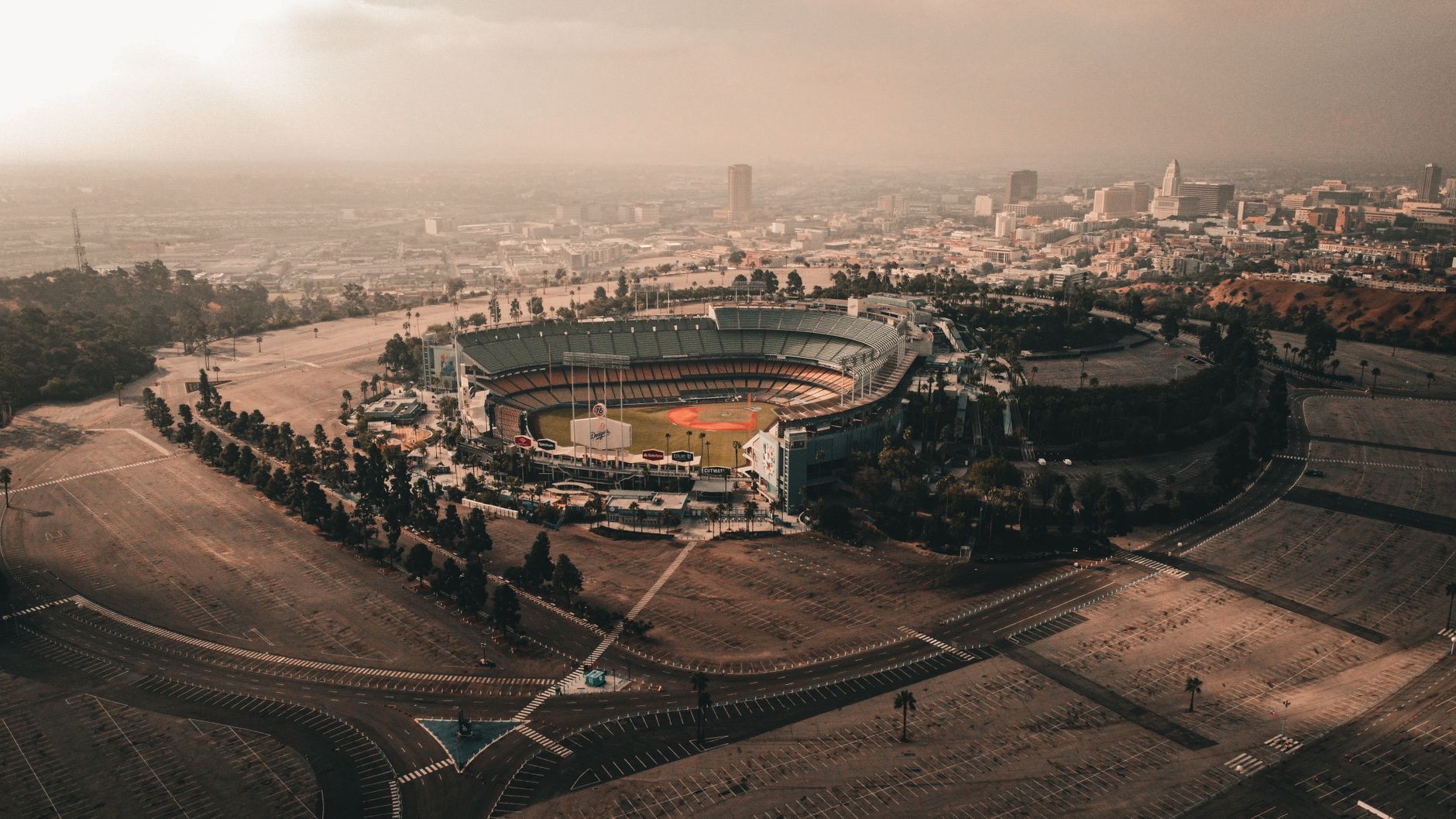
Photo by Caio Cezar on Pexels
For readers tracking the tournament through Football Insights, here is the practical place to begin.
What I Tested?
I tested whether Los Angeles can function as a reliable Football World Cup 2026 hub for matchgoing fans, tactical followers, and regulated betting analysts. The answer is cautiously yes, but only if users separate official promotion from matchday realities such as transport timing, lineup uncertainty, and fan-zone crowd flow.
The first mistake many articles make is treating the Football World Cup schedule as a static list. It is not. A schedule becomes useful only when paired with kickoff windows, rest days, probable rotation, travel distance, and emotional pressure around national teams such as the United States Men’s National Team. Los Angeles World Cup 26 highlights eight matches, the FIFA Fan Festival, Official Fan Zones, and 39 days of programming, but those numbers tell only half the story. The more important question is how those elements collide on actual days when SoFi Stadium, Exposition Park, Metro lines, rideshare demand, and watch-party crowds all compete for the same attention.
I used three lenses. First, I looked at fan experience: stadium access, neighborhood movement, and whether LA Memorial Coliseum programming can realistically absorb overflow energy. Second, I considered tactical coverage: how team news, player load, and group-stage incentives affect match predictions. Third, I examined betting-information usefulness for legal, regulated markets, because Football Insights serves adults following match predictions, team tactics, player stats, and tournament coverage. For background context, FIFA describes the World Cup as its flagship men’s national-team competition on the official FIFA platform, while ESPN organizes match listings as a living schedule rather than a finished story. That distinction matters.
To go deeper into tactical preparation, see our [Internal Link: 2026 World Cup team tactics guide].
Setup & Initial Impressions
The Los Angeles setup looks grand from a distance and complicated up close. SoFi Stadium in Inglewood is a modern NFL venue built for spectacle, but the Football World Cup is not a normal single-event crowd. It brings international supporters, neutral fans, broadcasters, sponsors, security layers, and people who may attend a fan festival without holding a match ticket. That creates two LA experiences at once: the premium stadium version and the distributed countywide version. The official local site emphasizes “eight matches” and “39 days of fan celebrations,” and those numbers are genuinely significant. Yet the contrarian reading is that more programming does not automatically mean a smoother fan journey.
The biggest operational edge case I would watch is not the stadium itself; it is the time between events. If a matchday overlaps with major FIFA Fan Festival programming at LA Memorial Coliseum, the practical decision is whether fans can realistically move between Inglewood and Exposition Park without losing hours. A typical preview says “plan ahead,” which is too vague to be useful. My working rule would be to treat cross-city movement as a half-day decision, not a quick transfer. If you plan a SoFi Stadium match and a fan-zone stop on the same day, build the day around one anchor and treat the other as optional.

Photo by Wal Saravia on Pexels
For schedule-based reading and match prediction updates, continue with Football Insights.
Where It Held Up?
Los Angeles holds up best as a Football World Cup 2026 hub when judged on venue quality, cultural range, and content density. SoFi Stadium gives FIFA a high-capacity showcase, while the LA Memorial Coliseum and Official Fan Zones give non-ticketed fans structured ways to participate across 39 days.
The strongest part of the Los Angeles plan is that it does not rely on one venue to carry the whole tournament identity. SoFi Stadium supplies the broadcast image: floodlights, elite players, national anthems, and the heavy emotional charge of the U.S. Men’s National Team opening match on June 12. The LA Memorial Coliseum supplies a different image: open-air gathering, music programming, food, and live-match viewing. Official Fan Zones across Los Angeles County widen the map further, and that matters because Football World Cup demand is never limited to ticket holders. According to the LA28 Olympic and Paralympic Games model of regional staging, Southern California event planning often depends on distributed venues rather than one compact downtown core.
For analysts, this distribution creates data opportunities. Crowd intensity, travel fatigue, and home-region pressure can influence how teams manage lineups and tempo. A group-stage favorite playing in Los Angeles may not approach the match the same way as an underdog treating the day as a once-in-a-generation chance. Football Insights will look beyond possession percentages and expected goals by asking where the emotional and logistical edges sit. Useful signals include:
- Whether a team faces short rest after transcontinental travel.
- Whether star players are protected before knockout rounds.
- Whether crowd composition creates a practical home-field effect.
- Whether market prices overreact to brand-name teams instead of matchup details.
For readers comparing markets, our [Internal Link: regulated football betting odds explainer] is a useful next step.
Where It Fell Apart?
The Los Angeles plan falls apart when fans assume official convenience equals real convenience. The risk is not that FIFA World Cup 2026 lacks entertainment; the risk is that match tickets, fan festivals, hotel zones, and transport choices produce conflicts that casual guides understate.
The first weak point is information fragmentation. ESPN may show the schedule, Los Angeles World Cup 26 may show local planning pages, FIFA may manage tournament branding, and hotel or ticketing partners may handle separate details. None of those sources is wrong, but the fan has to assemble them into one working plan. That is where generic “ultimate guides” become less useful than a skeptical checklist. A proper matchday plan should answer five questions before kickoff: Where am I sleeping? How am I reaching Inglewood? What is my backup route? Which fan-zone event is realistic? What team-news source will I trust two hours before lineups?
The second weak point is analytical overconfidence. World Cup betting discussion often treats national reputation as predictive evidence, but tournament football punishes lazy assumptions. A side with three famous attackers can still struggle against a disciplined low block, especially if travel, heat, or rotation flattens tempo. FIFA’s own competition identity is national-team based, and Wikipedia’s overview of the FIFA World Cup notes its quadrennial format and global qualification structure, but neither fact tells you whether a favorite will press aggressively in minute 70. The useful angle is narrower: lineup confirmation, tactical fit, set-piece vulnerability, and managerial incentives.

Photo by Franco Monsalvo on Pexels
If you want sharper tournament reading instead of recycled hype, follow the data layer.
Would I Use It Again?
I would use Los Angeles as a Football World Cup 2026 base again, but not as a frictionless all-access playground. The better approach is to treat LA as a high-upside hub with strict planning rules, especially around SoFi Stadium, LA Memorial Coliseum, and Official Fan Zones.
My refined position is this: Los Angeles may be one of the best places to feel the scale of the 2026 World Cup, but it is not automatically the easiest place to consume it. The city rewards fans who build matchdays around anchors, not improvisation. Choose either stadium immersion, fan-festival atmosphere, or countywide watch-party culture as the core experience, then add secondary plans only if timing and transport make sense. For Football Insights readers, the same logic applies to predictions: anchor your view in confirmed lineups, tactical matchups, and rest patterns, then treat media narratives as secondary color.
Here is my practical Los Angeles checklist:
- Start with the official FIFA World Cup match schedule, then verify local venue details.
- Treat SoFi Stadium travel as a major event, not a commute.
- Use the FIFA Fan Festival for atmosphere, but avoid overloading matchdays.
- Track U.S. Men’s National Team news separately from general tournament hype.
- Compare prediction models only after lineups and tactical roles are clear.
For more planning context, see our [Internal Link: Los Angeles World Cup fan guide] and [Internal Link: World Cup player stats tracker].

Photo by Juliano Ferreira on Pexels
For daily match coverage, predictions, and tactical updates throughout 2026, use Football Insights as your tournament companion.
Frequently Asked Questions
Q: What is the Football World Cup 2026?
A: The Football World Cup 2026 is FIFA’s men’s national-team tournament hosted across North America. It will feature matches in the United States, Canada, and Mexico, with Los Angeles hosting eight matches at SoFi Stadium. Fans should follow FIFA and local host-city updates because schedules, venue guidance, and event programming can change as the tournament approaches.
Q: How do I plan for a World Cup match in Los Angeles?
A: Start by confirming the match schedule, venue rules, transport route, and fan-zone options before booking the rest of your day. SoFi Stadium matchdays should be treated as major-event travel windows, not ordinary city trips. If you also want the FIFA Fan Festival at LA Memorial Coliseum, make one location your priority and keep the second flexible.
Q: What is the difference between SoFi Stadium and the FIFA Fan Festival?
A: SoFi Stadium is the ticketed match venue, while the FIFA Fan Festival is a public celebration space built around live viewing, music, food, and fan culture. Los Angeles World Cup 26 lists SoFi Stadium for eight matches and the LA Memorial Coliseum for festival activity. The stadium is for live football; the festival is for atmosphere and shared viewing.
Q: Why do World Cup predictions fail so often?
A: World Cup predictions fail when they rely too heavily on reputation instead of current tactical and lineup evidence. National teams have limited preparation time, and managers often adjust plans quickly between group-stage and knockout matches. Football Insights focuses on player stats, tactical roles, rest patterns, and confirmed team news to reduce that blind spot.
Q: How much does it cost to attend the Football World Cup in Los Angeles?
A: The total cost depends on match tickets, accommodation, transport, food, and whether you attend paid or free surrounding events. Ticket prices and availability are managed through official channels and can vary by match category and demand. Budgeting should include hotel premiums, rideshare surges, and extra time around Inglewood and Exposition Park.
Q: What should I do if transport plans fail on matchday?
A: Switch to your backup route immediately and prioritize reaching one anchor location rather than chasing multiple events. For Los Angeles, that means deciding whether SoFi Stadium or a fan-zone event matters most that day. Save offline maps, allow extra hours, and check local transit advisories before leaving your accommodation.
Continue your strategic research.