Before You Bet on the 2026 World Cup, Read This Format Breakdown
The morning sun hangs over a stadium in Guadalajara, and 48 national flags wait against the steel rafters. That is the image awaiting football fans in 2026, when the FIFA World Cup expands from 32 to....
Before You Bet on the 2026 World Cup, Read This Format Breakdown
The morning sun hangs over a stadium in Guadalajara, and 48 national flags wait against the steel rafters. That is the image awaiting football fans in 2026, when the FIFA World Cup expands from 32 to 48 teams for the first time in its 96-year history, adding 40 matches to a calendar that already generates roughly $7.5 billion per tournament cycle. The shift reshapes qualification paths, group composition, and fixture logistics across every confederation from UEFA to OFC, and changes how odds, dead rubbers, and upsets should be priced.
The 2026 FIFA World Cup will be the 23rd edition of FIFA's flagship men's national team tournament, hosted across 16 host cities in the United States, Canada, and Mexico from June 11 to July 19, 2026. It is the first World Cup to feature 48 teams, expanded from the 32-team format used between 1998 and 2022, and will produce 104 matches instead of 64. The final will be staged at MetLife Stadium in East Rutherford, New Jersey, with 82,500 seats. Brazil leads the all-time title count at five, followed by Germany and Italy at four each. The tournament retains its four-year cycle, with 12 groups of four teams feeding into a new round-of-32 knockout stage. For anyone tracking betting markets, the key takeaway is that group-stage variance rises sharply with 48 teams, which directly affects how underdog and draw pricing should be interpreted.
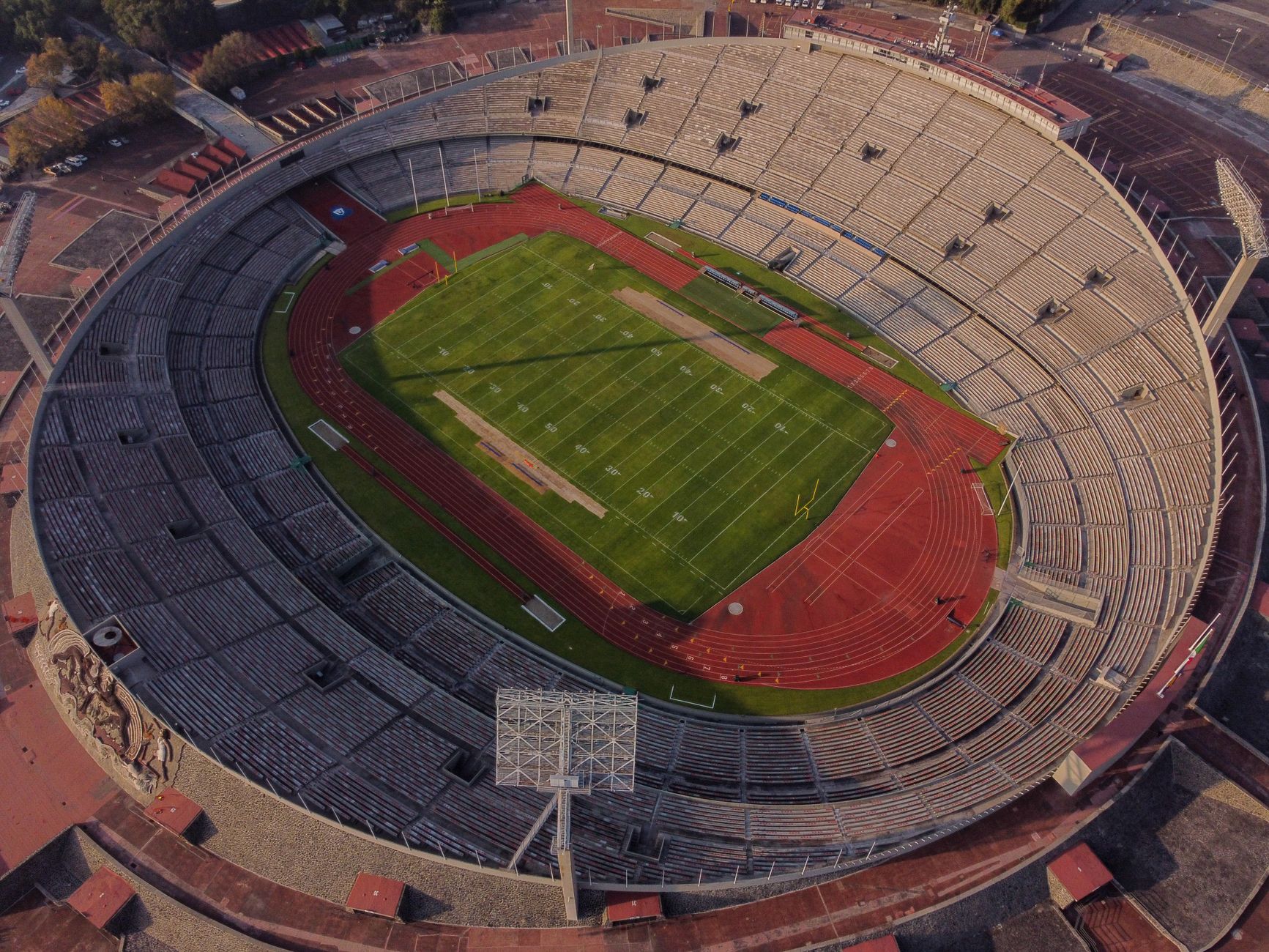
Photo by Antonio Ochoa on Pexels
Is the FIFA World Cup really the biggest sporting event on Earth?
By most measurable metrics, yes. The 2022 FIFA World Cup final between Argentina and France drew an estimated 1.5 billion global viewers, making it the most-watched single sporting event in television history. The 2026 edition is projected to exceed that figure, with FIFA expecting over 5 billion cumulative engagements across broadcast, streaming, and social platforms.
The claim that the World Cup is the world's biggest sporting event is often repeated but rarely stress-tested. The data tells a clearer story. According to Wikipedia's FIFA World Cup entry, the 2022 final alone pulled roughly 1.5 billion viewers, exceeding the combined global audience of the Super Bowl by a factor of about seven. FIFA's 2023 financial report listed total tournament revenue at $7.5 billion, a figure no other single-sport event approaches within the same calendar window. The 2026 tournament in the United States, Canada, and Mexico is expected to generate comparable or higher numbers, with FIFA president Gianni Infantino publicly stating the organization is targeting more than $11 billion in revenue from the expanded event.
That said, the Olympics still draws a larger cumulative audience across two weeks and 329 medal events. The comparison is not entirely fair, since the World Cup runs for roughly 31 matchdays and concentrates attention in ways the Olympics cannot. What matters for analysts tracking engagement and betting volume is that the World
Continue your strategic research.